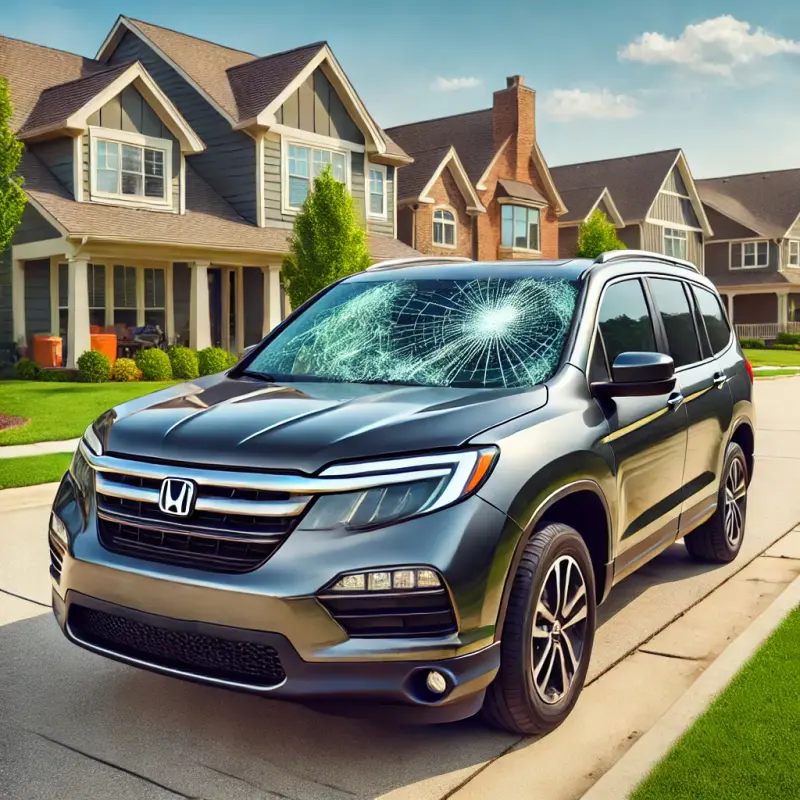
The first time a rock pinged my windshield south of Columbia, I was gliding through that quiet stretch between exits, pine trees flicking by, cruise control steady. The sound was small, like fingernails on a mason jar, but the spiderweb that bloomed outward demanded attention. If you’ve had the same moment on I-26 near Orangeburg, you know how it goes. Your eyes keep sliding back to the damage. You wonder how long you can leave it, how far the crack might creep in the heat, whether a repair will hold, and if you’re about to lose half a day to a shop waiting room.
Good news: Orangeburg has more options than you might expect. From mobile technicians who come to your driveway, to shops that knock out repairs in the time it takes for a barbecue plate at lunch, the local orangeburg auto glass scene covers the bases. The key is understanding what matters, how to choose the right fix, and how to make a smart call under real South Carolina conditions, where humidity, sun, and sudden summer showers influence how long a repair will last.
The moment after the crack: what to check on the shoulder
If you’re still on I-26 when it happens, give yourself a minute to assess. You do not need to panic or slam on the brakes. Ease off to a safe spot with solid shoulder room or an exit with a visible service station. Turn on hazards. Now, look at the damage with purpose. Is the crack inside your line of sight, the top third of the glass, or near the edge? Edge cracks are notorious. With the windshield under tension, those grow faster than a center chip, especially as the day heats up.
The size and shape tell a story. A star break with several short legs often repairs nicely. A bullseye, a clean ring with a dark pit, responds well to resin. A long line that reaches an edge usually pushes you toward replacement. If moisture or dirt is already inside the impact area, the repair will still help, but it may not look as clear as a clean break. Think of it like caulking a gap after dust has settled in. That is why techs sometimes request the damage be covered with a small piece of clear tape until they can get to you. It keeps contaminants out and improves the cosmetic result.
Most important, ask yourself whether you can see properly. If the fracture sits in the driver’s primary viewing area and distorts oncoming headlights or lane lines, keep your speed down and aim for the next safe stop. Even if the windshield holds structurally, impaired visibility makes for tense driving, and tension leads to mistakes.
Repair or replace: where the line sits in Orangeburg
A shop that does a lot of windshield crack repair in Orangeburg will usually use three criteria. First, the size in inches. Rock chips up to the size of a quarter, cracks up to 3 inches, and sometimes even 6 inches can be repaired with modern resin and curing lights. Second, the location. Anything that reaches the edge or sits directly in the driver’s sight often gets a recommendation for replacement. Third, the type of glass you have, including sensors.
Today’s windshields are not just glass. They carry rain sensors, forward collision cameras, lane-keep cameras, sometimes heads-up display film. If you have a driver assistance camera mounted near the rearview mirror, a replacement will likely require calibration. I have watched techs do static calibrations in-shop with target boards and measured distances, and dynamic calibrations on a prescribed drive route at specified speeds to let the system relearn. In Orangeburg, shops that handle a lot of windshield replacement Orangeburg side also tend to offer ADAS recalibration in-house or through a partner. Ask about it upfront. If a shop shrugs off calibration, that is a red flag.
On the flip side, a resin repair leaves those sensors alone. When the damage fits the guidelines, repair is faster, cheaper, and more sustainable. The resin cures with UV light to roughly the same refractive index as the glass, so that sparkle you see now becomes a faint shadow. Strength-wise, a proper repair restores most of the rigidity around the break. I have driven thousands of miles on repaired chips with no spreading. The caveat is heat and sudden thermal changes. One August afternoon, I left a car facing south in an open lot near Edisto Memorial Gardens. The temperature rose well past 100 on the glass, and when afternoon clouds rolled in, rain cooled it fast. A small unrepaired chip turned into a 10-inch crack in minutes. That is the Orangeburg summer effect.
The local landscape: what you’ll find when you search
Type auto glass repair Orangeburg into your phone and you will see a mix: dedicated glass shops with bays and curing lamps, mobile-only operators covering Orangeburg County, and regional chains that dispatch techs from Columbia, Charleston, or Sumter. The choice hinges on convenience and your vehicle’s needs.
Mobile techs are hard to beat if you want the fix where you are. They bring resin kits, vacuums, UV lamps, and replacement glass in a van, then do the job in your driveway or office lot. Mobile auto glass repair Orangeburg can usually handle rock chips and smaller cracks same day, and often full replacements the next day if they need to source a specific windshield. The big advantage is control over the environment. Ask them to set up in shade or use a canopy. Curing resin hates heavy rain and direct, intense sunlight during prep. A seasoned mobile tech carries pop-up shade and knows how to position the vehicle nose into the wind so dust does not drift into the repair.
Brick-and-mortar shops have a different edge. They house glass in climate-controlled racks, keep adhesives at ideal temps, and have level floors and measuring gear for calibration. They also handle the more complex jobs on newer models that require scan tools and post-install checklists. If your car uses acoustic interlayers, heated wiper park areas, or a heads-up display, a shop with more windshield inventory and experience matching part numbers is worth the drive. An hour in their waiting area beats a return trip because the wrong variant showed up.
Either route works in Orangeburg. The trick is matching the job to the provider. If you have a 2012 pickup with a star chip the size of a dime, mobile service today in your driveway is efficient. If you have a 2022 SUV with lane-keep assist and a crack kissing the edge of the glass, book a shop that can both install the laminated windshield and calibrate the forward camera after.
Cost ranges and insurance realities
Prices vary, but patterns in Orangeburg mostly mirror South Carolina at large. Chip repair usually runs in the 75 to 150 dollar range per impact, sometimes with a discount for multiple chips done in the same visit. A crack repair falls at the higher end if it requires more resin and time. Full windshield replacement jumps based on features. A basic truck might land between 250 and 450 dollars. Add rain sensors, acoustic glass, or advanced cameras and the number climbs, sometimes into the 600 to 1,200 range. Luxury windshield replacement orangeburg models can exceed that.
South Carolina law and insurance matter here. Comprehensive coverage often pays for windshield repair at no deductible, and many policies waive the deductible for repair rather than replacement because insurers would rather pay 100 than 800. Replacement, on the other hand, typically triggers your comprehensive deductible unless your policy carries full glass coverage. Before you book, call the number on your insurance card or use the app. Provide your VIN so the glass shop or network can source the correct part. If you prefer a specific local shop, tell the claims rep. You generally have the right to choose the shop, even if the insurer suggests their network provider.
I have watched claims go smoothly when the customer calls the shop first. A seasoned orangeburg auto glass service will start the claim on your behalf while you stand at the counter or sit in your kitchen. They plug in your policy info, verify coverage, schedule the job, and bill the insurer directly. It feels seamless when people who do it every day guide it along.
How long you are without the car
Time matters when you are juggling work, kids, and errands. A skilled tech can repair a chip in 30 to 60 minutes. You can usually drive immediately, since resin cures under the technician’s UV lamp. Full replacement takes longer. The removal and prep consume 45 minutes to an hour. Setting the new glass precisely, reconnecting trim and sensors, and cleaning up add another chunk. The adhesive cure time dictates when you can drive.
Modern urethanes can deliver a safe drive-away time in an hour under ideal temperature and humidity. Orangeburg’s heat helps, but rain and cold mornings in winter slow the cure. A careful shop will explain the window. If they say one hour, they mean the urethane has reached the strength needed for airbag support and body torsion. They might still advise you avoid car washes and slamming doors for 24 hours, since pressure spikes can disturb a fresh bond.
Calibration, if needed, adds time. A static calibration can be 30 to 60 minutes if the targets are set up. A dynamic one requires a specified drive, often at 35 to 65 mph on well-marked roads. I have seen routes that loop segments of I-26 and then back through town for lane lines and speed variety. Plan an extra hour if your car needs this step.
What makes a repair hold in Orangeburg’s climate
Heat and humidity shape glass work here. On a July afternoon, the windshield surface can run 130 degrees or more. Resin will flow differently at that temperature, and the crack expands as the glass stretches. Good techs cool the area first, sometimes with a controlled mist and air, never with ice or a cold-soaked can. Sudden thermal shock can extend the damage during the repair. Shade is your friend. So is patience.
Humidity influences adhesive cure for replacements. Most urethanes cure with moisture in the air, which sounds like a slam dunk in the South. Just remember that a deluge can complicate things if water runs into a freshly prepped pinch weld. The prep steps matter: removing old urethane to the right thickness, treating any scratches in the body paint with primer, and wiping the glass with the correct cleaner and tack cloth. Inferior prep leads to leaks. In Orangeburg thunderstorms, a leaky windshield becomes obvious fast. Choose a shop that talks confidently about prep materials, not just price.
Road grime is the sleeper variable. Between logging trucks and farm traffic, grit accumulates on the highway. A small chip packed with microscopic dust will never vanish completely after repair, but it can still be stabilized to stop the spread. Expect honesty from a seasoned technician about appearance versus structural benefit. The best repair is the one you stop noticing after a week, not the one that tries to promise perfection.
Mobile versus shop, the real trade-offs
Convenience pulls most people toward mobile service. It is hard to argue with a technician rolling up to your driveway, setting protective fender covers, and getting it done while you answer emails. For windshield crack repair Orangeburg residents often opt for mobile because it cuts downtime and the results are similar to a shop when the job is straightforward.
Shops bring repeatability. Level floors make precise placements easier. Controlled lighting helps techs see excess urethane and clear it. Shops also maintain better access to specialized glass variants. Car window replacement Orangeburg side, like rear door glass or quarter glass after a break-in, benefits from indoor work because those parts are tempered glass that leave thousands of fragments. Containing the mess and sealing vapor barriers properly keeps your cabin dry and quiet later. If your job is a door glass replacement, consider driving in rather than booking mobile unless you have a covered garage.
One more nuance: warranty support. A shop with a physical address anchors long-term guarantees. Many mobile techs offer strong warranties too, especially those tied to regional companies, but if you like the peace of mind of walking back into the place that touched your car, that value is real. I have redeemed a warranty on a minor leak once, and the shop re-sealed the top edge in 20 minutes without a fuss. That type of aftercare will turn a first-time visitor into a loyal customer.
Timeline for urgent and not-so-urgent fixes
The clock matters in two ways. Structurally, small chips that are repaired within a week have the highest cosmetic success. The resin bonds better when contaminants have not settled in. Functionally, a crack that spans more than a few inches can jump further after a rough railroad crossing or pothole. If your commute crosses the Edisto River’s older bridges or sees daily construction zones, do not wait a month. Book it.
Not every chip is an emergency. If the damage sits low on the passenger side, smaller than a dime, and you have a long drive out of town tomorrow, place a piece of clear packing tape over it to keep dust and moisture out. Avoid slamming doors, since cabin pressure can flex the glass. Set your HVAC to recirculate initially so the first blast of cooled air does not shock the hot glass. Then schedule a mobile visit for when you return.
Night driving adds a different reason to hurry. Headlight glare refracts through cracks and can turn clear outlines into fuzzy flares, especially on wet pavement. If you feel your eyes working harder to read the road at night after the crack appeared, treat that as a priority.
What to ask when you call
A short, focused set of questions separates average service from excellent. Keep it simple. Ask if the shop performs both repair and replacement. That opens the door to an honest recommendation rather than a one-size-fits-all pitch. Describe your vehicle, mention any sensors on the windshield, and read the chip or crack size off a ruler if possible.
Ask if they can source the glass variant your car requires, including rain sensor brackets, acoustic interlayer, heated wiper park, or heads-up display compatibility. If they say yes immediately without taking your VIN, they are guessing. The VIN makes parts matching easier and avoids delayed installs.
Ask about calibration capability. If they perform ADAS calibration in-house, how do they do it, and how long does it add? If they partner with a calibration center, is it done the same day?
Ask what their warranty covers. Most reputable orangeburg auto glass providers guarantee leak-free installs and no spreading after a repair, with clear conditions like pre-existing contamination or secondary impacts excluded. A straight answer inspires confidence.
DIY kits, and when to avoid them
I am not against do-it-yourself for a simple rock chip. The kits sold in big-box stores can stabilize small damage. If you are far from help and need a stopgap, a careful DIY on a fresh chip is better than nothing. Work in shade, clean gently, keep dust out, and follow the instructions to the letter.
But there are limits. Long cracks, damage near the edge, or anything in the driver’s sight line deserve professional attention. I have seen DIY attempts trap air, overfill the pit, and create a permanent blur right where your eyes pass every few seconds. Also, DIY will not satisfy lease return standards if the crack grows. The cost savings vanish quickly if you end up replacing a windshield that could have been repaired properly for a fraction of the price.
When replacement becomes unavoidable
Some conditions force your hand. A crack that reaches the edge of the glass almost always grows. If your defroster leaves a hazy strip or your wipers chatter over a raised or sunken section, the laminate may have separated, known as delamination. Moisture inside the laminate can leave a milky stain that does not wipe away. Damage deep in the laminate or multiple impact points from debris on I-26 after a storm leave little room for repair.
On vehicles with heated windshields or heads-up display, cracks interfere with the thin conductive or reflective layers. Even if you repair the structural issue, the functionality does not return. Replacement restores performance and clarity. If you keep a car long-term, that clarity is not cosmetic vanity. Eye strain from a degraded windshield over months adds up, especially on rural roads at night where your high beams matter.
A day in Orangeburg, and how to plan around the fix
I usually advise people to pair the appointment with something good. Drop the car at a shop near lunch and walk to a local spot. A mobile appointment at home pairs nicely with chores you were avoiding anyway. If you schedule a replacement, clear the dash of personal items, remove toll tags, and fold down the sun visors so the tech can maneuver. Park with the nose toward open space to minimize dust. If your driveway slopes, mention it. Techs can compensate, but they plan differently for a steep angle.
After the install, follow the light-care instructions. Crack the windows a half inch for the first day to ease pressure. Avoid slamming doors. Skip the automatic car wash for 24 to 48 hours. Keep the protective tape on the exterior moldings until the adhesive fully sets. If you hear a whistle at highway speed later, call back. A loose trim clip or an undetected gap can be resolved quickly.
The small but real risks, managed by professionals
No honest glass pro will claim zero risk. Removing old glass occasionally brings a bit of paint with it, exposing bare metal that needs primer to prevent rust. That is why preparation is not an afterthought. Older vehicles sometimes have previous repairs hidden under paint or trim that complicate removal. Patience and the right tools keep surprises from becoming setbacks.
Calibration complexity grows each year. Even on models within the same brand, mid-cycle changes alter the camera’s field of view or bracket position. Shops that keep current with service bulletins and invest in updated target kits earn their keep daily. They will also tell you when a dealership should handle a particularly tricky case, like a rare European model with proprietary calibrations.
Signs you picked the right Orangeburg provider
You feel listened to on the first call. They ask for your VIN, do not overpromise on appearance, and explain the process without jargon. They show up when they say they will, with the correct glass labeled and clean tools. They lay protective covers, vacuum thoroughly, and wipe the glass inside and out so you drive off with a clear view. The invoice lists the adhesive brand and lot, notes whether calibration was performed, and spells out the warranty. If you need to see it in writing for an insurance claim or a fleet record, they provide it without sighs or delays.
When people talk about mobile auto glass repair Orangeburg, the glowing stories usually include names and little details like how the tech pointed out a cracked cowl clip and replaced it on the spot. The frustrating stories revolve around no-shows or the wrong part arriving. Ask clear questions, and the difference becomes obvious before you book.
A quick, practical checklist before you call
- Measure or estimate the damage size, and note whether it touches the edge of the glass. Check for sensors or special features on your windshield, like a camera near the mirror or a rain sensor. Find your VIN from the dash or registration. Have your insurance info handy if you plan to use coverage. Decide whether you prefer mobile service at home or work, or an in-shop appointment for calibration and complex installs. Ask about ETA, warranty, and whether calibration is included for your model if you need replacement.
The bottom line for Orangeburg drivers
I-26 will keep tossing pebbles. Farm roads will keep dusting the air. Windshields will crack at the worst times, like just before a long weekend drive to the coast. You have options. For a clean chip or a short crack, a quick repair preserves the factory seal and saves money. For longer cracks, edge damage, or glass with integrated tech, a proper windshield replacement Orangeburg shop with calibration capacity is the safer path.
Treat the choice like any other maintenance decision. Consider how you use the car, your tolerance for downtime, and the features you want working perfectly afterward. Orangeburg is big enough to give you variety and small enough that reputation still matters. Ask around, call a couple of places, and lean toward the one that explains things clearly. Your eyes, your passengers, and your next late-night run down a dark stretch of 301 will thank you.